
Online credit cards in the Philippines
Access reliable online credit cards with benefits such as cashback, 0% installment plans, and rewards programs. Get an immediate response and easily choose the card that best fits your spending habits to start enjoying your purchases today.

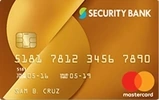
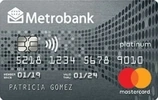
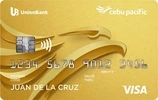

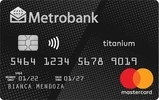

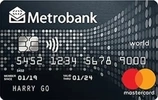
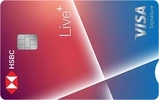
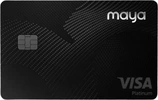

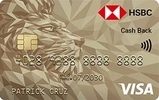
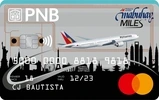
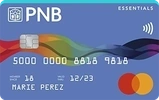
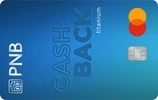
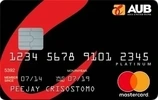
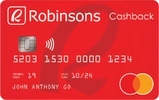
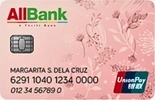
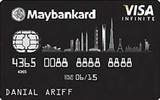

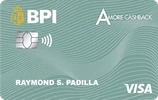


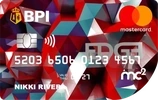
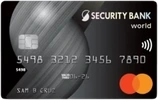


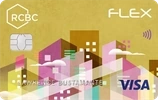


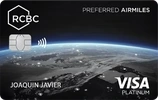
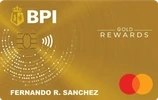
Apply for a credit card online
The main advantage of applying for a credit card online is speed and convenience. You avoid long queues and excessive paperwork, since the entire process is completed from your computer or phone. You fill out a form with your details, upload your ID, and receive a response in minutes.
This channel puts you in control, as it allows you to compare multiple products, interest rates, and benefits transparently and without pressure. That way, you can choose the best credit card that truly fits your needs, rather than just the one a bank officer recommends.
How do online credit cards work?
An online credit card operates on the principle of revolving credit. It is a pre-approved line of financing that you can use, pay back, and use again. The issuing bank assigns you a credit limit, and each purchase reduces your available balance.
When you make your monthly payments, you free up that line again for future purchases. The fundamental difference of the "online" format is that the full management of the product — from the initial application to real-time transaction monitoring, statement dates, and payments — is centralized securely on a digital platform, usually a mobile app or a web portal. To fully understand the mechanism, it helps to know in detail how credit cards work.
Advantages of online credit cards
Choosing credit cards in the Philippines in their digital format offers clear benefits that fit today's pace of life. Convenience is the main factor, but the advantages go beyond that:
- 100% digital application: Forget about branch visits. The entire process, from application to approval, is completed online in just a few steps.
- Exclusive benefits: Many of these cards offer rewards programs, 0% installment plans at thousands of partner stores, as well as cashback credit cards that give you money back on your purchases and special promotions.
- Credit history building: Responsible handling of your credit card is one of the most effective ways to build a positive credit record at CIC (Credit Information Corporation), which opens doors to other financial products in the future.
- Security and control: Mobile apps let you monitor your balance, enable or freeze your card, and receive notifications for each transaction in real time.
- International acceptance: Most cards are backed by Visa, Mastercard, JCB, or American Express, ensuring they can be used at merchants and online platforms worldwide.
What are the bank requirements for borrowers?
Although requirements vary between institutions, there are general conditions that most banks request to approve a credit card in the Philippines. Being prepared with this information will speed up your application:
- You must be at least 21 years old for most principal cards (18+ for supplementary cards).
- A valid government-issued ID is required (UMID, SSS, TIN, PhilHealth, Driver's License, Passport, or PRC ID). Foreign nationals must present a passport and a valid visa or ACR I-Card.
- A recent proof of address is required, such as a utility bill, internet bill, or lease contract, not older than 3 months.
- You must present your latest 3 months of payslips, Certificate of Employment, bank statements, or ITR (Income Tax Return) for self-employed applicants, although some fintech issuers are more flexible on this.
- Depending on the issuing bank and card type, a minimum monthly income of ₱15,000 to ₱21,000 is typically required; premium cards may require ₱50,000 or more.
- A good credit history is important. Most banks review your record at the Credit Information Corporation (CIC). If you are starting from scratch, there are options such as secured credit cards or cards designed for beginners.
- Email address and mobile number are essential for communication and data verification.
- Complete and sign the application and provide the required information, including your TIN.
- Sign the cardholder's agreement.
- Holding other credit cards can help (variable).
Where can I apply for an online credit card?
In the Philippines, both traditional banks and rapidly growing fintech companies offer a wide range of credit cards. The choice depends on your service preferences and the benefits you want.
Traditional banks where you can get online credit cards:
- BDO
- BPI
- Metrobank
- Security Bank
- UnionBank
- PNB
- RCBC
- EastWest Bank
- HSBC
- Standard Chartered
- AUB
Fintechs and traditional banks
Finance in the Philippines is going through an era of intense competition. On one side, traditional banks have accelerated their digital transformation; on the other, the fintech wave has reshaped customer expectations with agile and accessible models:
- The rise of digital banks: Players such as Maya Bank, Tonik, and UNO Digital Bank have shown explosive growth. By 2025, Maya reported more than 5 million banking customers and has expanded its credit card offering to millions of users through its all-digital platform.
- The expansion of super-app ecosystems: GCash, through its Fuse Lending credit line and virtual credit card products, has become a mass-market gateway to credit, competing directly with traditional banks for the Filipino cardholder.
Alongside these giants, a wider ecosystem of fintech companies enriches the offering. Issuers such as Maya focus on financial inclusion for those starting their credit history. Others, such as GCash, use their existing platforms to offer direct benefits, while UnionBank leads the digital transformation among traditional players with fully online card applications.
Which credit card can I apply for online?
The range of online credit cards is broad. Here are some of the most popular options you can apply for today:
- BPI Amore Cashback Mastercard: No annual fee for life and up to 4% cashback on dining and supermarkets, making it a solid everyday card.
- UnionBank Rewards Credit Card: Fully digital application, no annual fee for life, and flexible rewards that can be redeemed for cashback, miles, or shopping vouchers.
- HSBC Red Mastercard: Up to 4% rebate on online purchases and 0% installment plans at a wide network of partner merchants.
- Metrobank Titanium Mastercard: Offers travel benefits, 0% installment plans, and rewards points with broad acceptance across the country.
- Maya Credit Card: A fully digital credit card that lets you apply, receive, and use a virtual card right inside the Maya app, with rewards in real time.
- Security Bank World Mastercard: A premium choice with travel insurance, airport lounge access, and a strong rewards program for higher earners.
How to get an online credit card
The process to apply for a credit card online is designed to be fast. Although each institution has its own platform, the general steps are very similar and focus on customer convenience and security:
- Compare options and choose the right card using tools to analyze the interest rate, annual fee, and benefits of different cards in the Philippines.
- Fill out the application form by going to the bank's official website and completing your personal and financial details.
- Verify your identity by uploading a photo of your valid government-issued ID and, in many cases, taking a selfie to confirm it is really you (eKYC).
- Digitally sign the terms by carefully reading the contract's terms and conditions, usually accepting them with an electronic signature or an OTP verification code.
- Wait for the evaluation while the system analyzes your information and credit history, and you will receive an email or SMS notification with the decision.
- Receive your physical card at your address within 5 to 10 business days if your application is approved, with secure delivery. Many issuers also give you access to a virtual card in the app right away.
What to consider when choosing a credit card in the Philippines
Applying for the right credit card requires a careful review of its costs and your own financial habits. Your credit history is a key factor in approval. If you are starting from scratch, don't worry. There are products designed for your profile; it is essential to look into credit cards for applicants with no credit history, which will let you build a solid financial reputation.
Be realistic about your capacity to pay and commit to paying the full balance every month:
The interest rate is only part of the cost. The Effective Interest Rate (EIR) and the total annual cost are the most important indicators, since they include interest, annual fee, and commissions. A lower EIR means cheaper credit. Check reliable information from official Bangko Sentral ng Pilipinas (BSP) sources.
Also pay attention to the card's annual fee and, above all, avoid cash advances. Don't be dazzled by rewards that don't fit your lifestyle. Look for tangible benefits such as cashback or discounts at the merchants you already visit.
Types of credit card and issuer
To pick the right credit card, it is important to understand the card tiers and issuing institutions, since each category offers different benefits and requirements:
By card type:
- Classic/Standard: Ideal for those starting to build their credit history; it offers lower costs and moderate limits. Examples: BPI Blue Mastercard, Metrobank M Lite Mastercard, BDO Classic.
- Gold: Provides additional benefits such as insurance and better rewards programs; its EIR is usually mid-range. Examples: BPI Gold Mastercard, Metrobank Gold Mastercard, BDO Gold Mastercard.
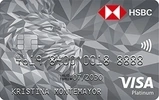
- Platinum: Designed for experienced users with premium needs; includes airport lounge access, travel insurance, and concierge services. Examples: HSBC Platinum Visa, Security Bank World Mastercard, Metrobank Platinum Mastercard.
By issuer:
- Visa: Global acceptance, rewards programs, and promotions at thousands of stores.
- Mastercard: Benefits similar to Visa, with proprietary programs such as Priceless Cities, which offers unique experiences.
- JCB: Strong in Asia-Pacific with special benefits when used in Japan and other Asian countries.
- American Express: Focuses on a premium customer segment, with personalized service, a robust Membership Rewards points program, and excellent travel insurance.
Rules and recommendations for responsible credit card use
The following recommendations are designed so that your credit card becomes an ally in your financial growth, not a burden:
- Pay on time to avoid late payment charges and negative reporting to the Credit Information Corporation (CIC); setting up auto-debit arrangement (ADA) is an excellent option.
- Don't treat the card as extra income; it is a payment tool, not an extension of your salary, so spend only what you can pay back.
- Always know your statement date and your payment due date.
- Review your statement every month to confirm that all charges are correct and report any anomaly immediately.
- Take advantage of the benefits by using 0% installment plans wisely for planned purchases, and earning cashback or points — consider credit cards with no annual fee to minimize fixed costs.
Main safety rules when using a credit card
The following rules are your personal defense to prevent fraud and keep your transactions safe:
- ⚠️ Don't share your details: Never give out your credit card number, expiry date, or CVV by email, SMS, or phone.
- ⚠️ Shop on safe sites: Check that the online merchant's URL starts with "https://" and has a padlock icon.
- ⚠️ Turn on notifications: Set up alerts in your banking app to receive a notification for every transaction.
- ⚠️ Sign your card: As soon as you receive it, sign the back panel to protect yourself in case of loss or theft.
- ⚠️ Be careful at the ATM: Cover the keypad when entering your PIN and don't accept help from strangers.
- ⚠️ Lock your card in the app: Block the card immediately if you detect theft, loss, or an unauthorized charge, preferably through the mobile app or by calling the customer hotline. Report the incident right away to obtain a reference number (date and time of the report).
- ⚠️ Keep important information: Review your statement regularly and keep your purchase receipts. You generally have 60 days from the statement date to dispute errors or omissions.
- ⚠️ Special coverages: Take advantage of coverages such as fraud protection insurance, purchase protection, and price protection available on select cards.
What to consider when cancelling a credit card
Cancelling a credit card can affect your credit history if it isn't done properly. First, make sure the balance is at zero, with no outstanding debt or pending charges. Contact the bank to start the process and request a cancellation reference number. It is advisable to ask for a Certificate of No Outstanding Balance as proof. Keep in mind that closing a card with long tenure can shorten your credit history, which could impact your credit score.
Personal loan, microloan, or credit card: what is best?
The answer depends on your need. A personal loan is ideal for a large, planned expense, such as home renovation, with fixed installments. A microloan or online loan gets you out of an immediate bind with smaller amounts and short tenors. A credit card, on the other hand, is the best option for managing everyday expenses and recurring purchases, offering flexibility, benefits, and the ability to finance yourself in the short term with no interest if you pay the full balance.
The Philippines context: current credit card usage
Despite rapid digitalization, the financial landscape in the Philippines shows a marked duality. Cash remains the dominant payment method, especially for low-value transactions. According to Bangko Sentral ng Pilipinas (BSP) surveys on financial inclusion, most low-value purchases are still settled in cash.
However, the adoption of credit products shows steady and significant growth:
- Low penetration, but rising: Credit card penetration among the Filipino adult population remains an opportunity area, sitting at roughly 8-10%.
- Market growth: According to the latest BSP and Credit Card Association of the Philippines (CCAP) reports, by mid-2025 there were more than 13 million active credit cards in circulation across the country.
- Daily adoption: This figure represents net growth of several million cards compared to the previous year, driven in large part by the offerings of digital banks and fintechs expanding access to underbanked Filipinos.
How to pay a credit card
There are several ways to settle the balance of your credit card in the Philippines, adapted to your convenience. First, it is key to understand how much to pay:
- The minimum payment is the lowest amount the bank requires so you don't get reported with a bad record, although it is the most expensive option in the long run because it generates high interest on the remaining balance.
- The interest-free payment covers the full amount of purchases made during the last billing cycle; if you settle this amount before the payment due date, you won't pay any interest, making it the smartest and most recommended way to use your card.
- The full payment of the debt settles absolutely everything you owe, including the month's balance and pending installments from your 0% installment plans.
Once you decide on the amount, you can choose where and how to pay:
- Digital banking through an app or web portal is the fastest and safest option, since it allows you to pay the credit card online immediately from the bank's mobile app or website, available 24/7.
- Auto-debit arrangement (ADA) consists of authorizing the bank to take the payment directly from your checking or savings account on the due date.
Payment partners let you pay in cash for almost all credit cards at thousands of locations, the most common being:
- Convenience stores: 7-Eleven (CLiQQ), FamilyMart, Ministop.
- Bills payment centers: Bayad Center, ECPay, SM Bills Payment, Robinsons Bills Payment.
- Pawnshops and remittance agents: Cebuana Lhuillier, M Lhuillier, Palawan Pawnshop.
- E-wallets: GCash, Maya, and other BSP-licensed e-wallets that support bills payment.
- 💡 Important: These locations usually charge a service fee and the payment may take up to 48 hours to be reflected. Pay at least two days in advance to avoid issues.
At a bank branch: You can go directly to the teller or use multi-service ATMs and cash accept machines (CAMs) to make your payment.
Key concepts and important financial terms
Understanding these terms will give you full control over your finances and help you avoid surprises when you apply for a credit card online.
Interest rate vs. Effective Interest Rate (EIR)
The interest rate is the cost the bank charges you for the money it lends if you don't pay on time.
The Effective Interest Rate (EIR) is the crucial indicator. It includes the interest rate, the annual fee, insurance, and all possible fees. By BSP regulation, all institutions in the Philippines must disclose it so you can compare easily. Your golden rule should always be: choose the credit card with the lowest EIR.
Statement date and payment due date
The statement date is the day of the month when the bank calculates all your purchases and includes in your statement all transactions made up to that day.
The payment due date is the last day you have to settle what you spent before the cutoff without generating interest, usually with a 15-25 day period between the statement date and the payment due date to organize yourself and pay.
Annual fee
It is a yearly membership you pay for the right to use the credit card and access its benefits (such as points, travel insurance, or airport lounge access).
Installment plans: how they work and how to take advantage of them
0% installment plans are a promotion that lets you split the cost of a purchase into fixed monthly payments with no additional interest. It is an excellent tool for acquiring durable goods.
Best practices:
- Use them for planned purchases, not impulsive ones.
- Make sure you can cover the monthly installments for the full term.
- Check that the merchant is applying the promotion correctly and be aware of any processing fee.
Consider credit cards with 0% installment plans that offer this benefit at a wide network of merchants.
Online transaction security
Reliable online credit cards incorporate multiple layers of security to protect your data.
- 3D Secure (Verified by Visa, Mastercard Identity Check): An additional verification step that asks for a code (sent to your mobile or bank app) to authorize an online purchase, protecting you from fraud.
- Security code (CVV/CVC): These are the 3 or 4 digits on the back of your credit card, required for online purchases. Never share it.
- EMV and PCI DSS standards: These are international technical standards that ensure your card data is processed and stored securely both at physical terminals (EMV chip) and in online systems (PCI DSS).
List of credit cards in the Philippines: which online card suits you
| Name | Annual Fee | Interest Rate (Monthly / EIR indicative) | Main Requirements | Main Benefits | App Rating |
|---|---|---|---|---|---|
| BPI Amore Cashback Mastercard | None for life | 3.0% monthly | Minimum gross annual income of ₱180,000.
Good credit history.
Valid government ID and proof of income. | Up to 4% cashback on dining and supermarkets.
0% installment plans at partner merchants.
Wide BPI ecosystem benefits. | 4.5 (iOS and Android) |
| BDO Titanium Mastercard | ₱2,000 (waived first year) | 3.0% monthly | Minimum gross annual income of ₱180,000.
Good credit standing. | BDO Rewards points on every purchase.
0% installment at thousands of partners.
Exclusive mall and dining promotions. | 4.6 (iOS and Android) |
| Metrobank Titanium Mastercard | ₱1,500 (waivable with spend) | 3.0% monthly | Minimum gross annual income of ₱180,000.
Good credit record. | Rewards Points redeemable for cashback or miles.
Travel insurance coverage.
0% installment on major purchases. | 4.4 (iOS and Android) |
| Security Bank World Mastercard | ₱4,000 (waived first year) | 3.0% monthly | Minimum gross monthly income of ₱75,000.
Excellent credit history. | Complimentary airport lounge access.
Travel insurance and concierge services.
Rewards on dining, travel, and shopping. | 4.3 (iOS and Android) |
| UnionBank Rewards Credit Card | None for life | 3.0% monthly | Minimum gross annual income of ₱250,000.
100% digital application. | Rewards on every purchase with no expiry.
Real-time app management and card controls.
Exclusive online promos. | 4.6 (iOS and Android) |
| HSBC Red Mastercard | None for life | 3.0% monthly | Minimum gross annual income of ₱168,000.
Good credit history. | Up to 4% rebate on online purchases.
0% installment at a wide partner network.
Free travel insurance with flights purchased on the card. | 4.2 (iOS and Android) |
| Citi Simplicity+ (by UnionBank) | ₱2,250 (often waivable) | 3.0% monthly | Minimum gross annual income of ₱180,000.
Good credit standing. | No late-payment fees and no over-limit fees.
0% installment plans.
Simplicity-focused billing and digital management. | 4.3 (iOS and Android) |
| Maya Credit Card | None | 3.5% monthly | Fully digital application inside the Maya app.
Flexible credit history requirements. | Instant virtual card after approval.
Real-time card controls and spending limits in the app.
Rewards integrated with Maya ecosystem. | 4.6 (iOS and Android) |
| RCBC Flex Visa | ₱1,500 (waivable) | 3.0% monthly | Minimum gross annual income of ₱180,000.
Good credit history. | Earn flexible points usable across categories.
0% installment and travel promos.
Access to RCBC rewards marketplace. | 4.2 (iOS and Android) |
| EastWest Platinum Mastercard | ₱3,500 (waived first year) | 3.0% monthly | Minimum gross annual income of ₱1,000,000.
Excellent credit history. | Airport lounge access and travel insurance.
Premium rewards and concierge.
0% installment at Platinum partners. | 4.1 (iOS and Android) |
| PNB Ze-Lo Mastercard | None for life | 2.0% monthly | Minimum gross annual income of ₱120,000.
Suited for first-time cardholders. | Lower-than-standard interest rate.
No annual fee for life.
Ideal for building credit history. | 4.0 (iOS and Android) |
Find your ideal card with Finmart
Choosing among all the online credit cards available in the Philippines can be overwhelming. The perfect card is the one that matches your lifestyle, your income, and your financial goals. The key lies in convenience, digital access, and the tools it gives you to manage your money intelligently.
Always remember to compare terms, review the EIR, and commit to responsible use. We invite you to use the Finmart comparison tool — designed to help you analyze and find the best online credit card offer with an immediate response for your profile, quickly and easily. Apply for your card today!
Sources
Frequently asked questions
How many credit cards can I have?
There is no legal limit on how many online credit cards you can have in the Philippines. However, every application generates an inquiry on your credit record, and having too many can be seen as a risk by financial institutions and can strain your repayment capacity.
What happens if I have many credit cards?
Having multiple credit cards can complicate the management of your finances, increasing the risk of missing a payment due date. It can also raise your total debt level, which could negatively impact your credit score and your ability to obtain new credit facilities.
Where can I use my credit card in the Philippines?
You can use your card at practically any establishment that accepts electronic payments, both in the Philippines and abroad. This includes supermarkets, department stores, restaurants, gas stations, and the vast majority of online merchants.
Can I withdraw cash from an ATM with my credit card?
Yes, you can withdraw cash from your credit card instantly, but it is not recommended. This "cash advance" carries very high fees and starts generating interest immediately, usually at a higher rate than regular purchases.
What happens if I don't pay my credit cards?
Not paying generates penalty interest, making your debt grow quickly. It will negatively impact your credit record at the Credit Information Corporation (CIC), limiting your access to future loans. In addition, the bank will start collection efforts that can become very persistent.